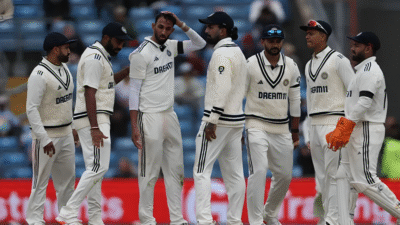


Sports leagues look glamorous from the outside. Fans see packed stadiums, celebrity players, viral moments, and trophy celebrations. But behind every successful sports team is a franchise owner thinking like a businessperson first and a sports fan second.
What surprises many people is this:
A franchise owner can still make huge profits even if the team loses matches or finishes at the bottom of the table.
Whether it is cricket leagues, football leagues, basketball, or esports, franchise ownership is one of the most interesting business models in the world. Teams earn money from multiple sources, and winning is only one part of the equation.
In this article, we will deeply analyze:
- How franchise owners make money
- What happens financially when teams win or lose
- Revenue sharing systems
- Sponsorships and media rights
- Advantages and disadvantages of owning a franchise
- Risks involved
- Why investors still buy teams despite huge costs
Understanding the Franchise Sports Model
A sports franchise is basically a licensed team operating inside a league system.
Popular examples include:
- Indian Premier League
- National Basketball Association
- National Football League
- Indian Super League
Owners buy rights to operate a team under the league brand. In return, they receive access to league revenue, sponsorships, media exposure, and fan engagement.
Unlike traditional local clubs, franchise leagues are designed heavily around business growth and entertainment value.
Main Ways Franchise Owners Make Money
1. Broadcasting and Media Rights
This is usually the biggest source of revenue.
Sports leagues sell TV and streaming rights worth billions of dollars. That money is shared among franchises.
For example:
- TV broadcasters pay leagues huge amounts
- Streaming platforms compete for digital rights
- Teams receive a share regardless of performance
Even if a team finishes last, it can still earn massive media revenue.
Why Media Rights Are So Valuable
Sports create:
- Live viewership
- Emotional engagement
- Advertising opportunities
- Subscription growth for streaming platforms
This is why sports content is considered premium entertainment.
2. Sponsorship Deals
Every jersey, stadium banner, social media post, and press conference can generate sponsorship money.
Types of Sponsorship Revenue
- Jersey sponsors
- Helmet sponsors
- Sleeve sponsors
- Stadium branding
- Digital partnerships
- Official merchandise partners
Big brands pay heavily because sports audiences are loyal and emotionally connected.


3. Ticket Sales and Matchday Revenue
When fans attend matches, franchises earn through:
- Ticket sales
- VIP boxes
- Parking
- Food and beverages
- Stadium experiences
Winning teams generally sell more tickets, but strong fan loyalty can keep stadiums full even during bad seasons.
Some franchises become cultural brands where fans support them regardless of results.
4. Merchandise Sales
Sports fans love buying:
- Jerseys
- Caps
- Hoodies
- Accessories
- Limited edition collectibles
A popular player can dramatically increase merchandise sales.
For example:
- Star signings boost jersey purchases
- Viral moments increase online store traffic
- Championship wins create special merchandise demand
5. Prize Money
Winning leagues and tournaments brings direct financial rewards.
This includes:
- Championship prize money
- Qualification bonuses
- Performance rewards
However, surprisingly, prize money is often smaller than broadcasting and sponsorship earnings.
That means:
A financially smart franchise can still earn more than a poorly managed winning team.
6. Franchise Valuation Growth
This is where many owners make enormous profits.
Sports franchises often increase in value over time.
An owner may buy a team for:
- $50 million initially
Years later, the team may be worth:
- $500 million or more
Why?
Because:
- League popularity grows
- Media deals become larger
- Fanbase expands
- Brand value increases
Sometimes owners earn more from valuation growth than yearly profits.


What Happens Financially When Teams Win?
Winning definitely helps financially.
Benefits of Winning
Increased Sponsorship Value
Brands want association with successful teams.
More Merchandise Sales
Fans buy more after victories and championships.
Better Fan Engagement
Winning increases:
- Social media followers
- Attendance
- Online engagement
Higher Ticket Demand
Successful teams can charge premium prices.
International Recognition
Championship teams attract global audiences.
What Happens Financially When Teams Lose?
This is where franchise business becomes fascinating.
Even losing teams can survive for years because of structured league systems.
Why Losing Teams Still Earn Money
Revenue Sharing
Many leagues distribute central revenue equally.
Loyal Fanbases
Historic or emotional teams retain supporters.
Fixed League Participation
Most franchise leagues do not have relegation systems.
That means teams cannot easily get removed from the league.
Long-Term Brand Building
Owners may focus on:
- Youth development
- Future player investments
- Building market presence
Advantages of Owning a Sports Franchise
1. Massive Brand Exposure
Sports teams receive constant media attention.
Owners gain:
- Public influence
- Networking opportunities
- Celebrity status
2. Multiple Revenue Streams
Unlike normal businesses, franchises earn from many areas simultaneously.
This creates diversified income.
3. Emotional Fan Loyalty
Fans often stay connected for life.
This creates stable long-term audiences.
4. Asset Appreciation
Sports franchises historically grow in value over time.
Some leagues have become investment goldmines.
5. Business Expansion Opportunities
Owners can expand into:
- Academies
- Clothing brands
- Content creation
- Streaming
- Gaming and esports
Disadvantages of Owning a Sports Franchise
1. Huge Initial Investment
Buying a franchise requires enormous capital.
Costs include:
- Franchise fees
- Player salaries
- Marketing
- Staff
- Stadium operations
2. Financial Risk
Poor management can create:
- Heavy losses
- Debt problems
- Sponsorship decline
3. Pressure From Fans and Media
Sports fans are extremely emotional.
Owners face:
- Online criticism
- Media pressure
- Fan protests
4. Uncertain Performance
Even expensive teams can fail badly.
Sports results are unpredictable.
5. Dependence on Star Players
Sometimes one player drives:
- Sponsorships
- Merchandise
- Fan attention
If that player leaves, revenue may drop.


Deep Analysis: Why Investors Still Buy Sports Teams
Many people wonder:
Why would someone spend hundreds of millions on a sports franchise?
The answer is simple:
Sports teams are not just sports businesses anymore.
They are:
- Media companies
- Entertainment brands
- Cultural assets
- Advertising platforms
Modern sports leagues generate global attention every single day.
Owning a franchise gives investors:
- Brand power
- Influence
- Long-term asset growth
- Business opportunities outside sports
For ultra-rich investors, owning a team is also about prestige.
The Future of Sports Franchise Businesses
The future looks even bigger because of:
- Global streaming
- AI-powered fan experiences
- Digital memberships
- Fantasy sports
- Sports betting partnerships
- International fanbases
- Short-form content platforms
Sports are becoming more digital and global every year.
This means franchise valuations may continue increasing rapidly.
Final Thoughts
Winning matters in sports.
But from a business perspective, smart management matters even more.
A franchise owner does not depend only on trophies to make money. Modern sports leagues are designed to generate revenue through:
- Media rights
- Sponsorships
- Merchandise
- Fan engagement
- Brand value
- Franchise appreciation
This is why some teams remain financially powerful even during losing seasons.
At the end of the day, sports franchises are emotional businesses mixed with entertainment, media, and long-term investments – and that combination makes them one of the most unique business models in the world.